
By Angel Navarro
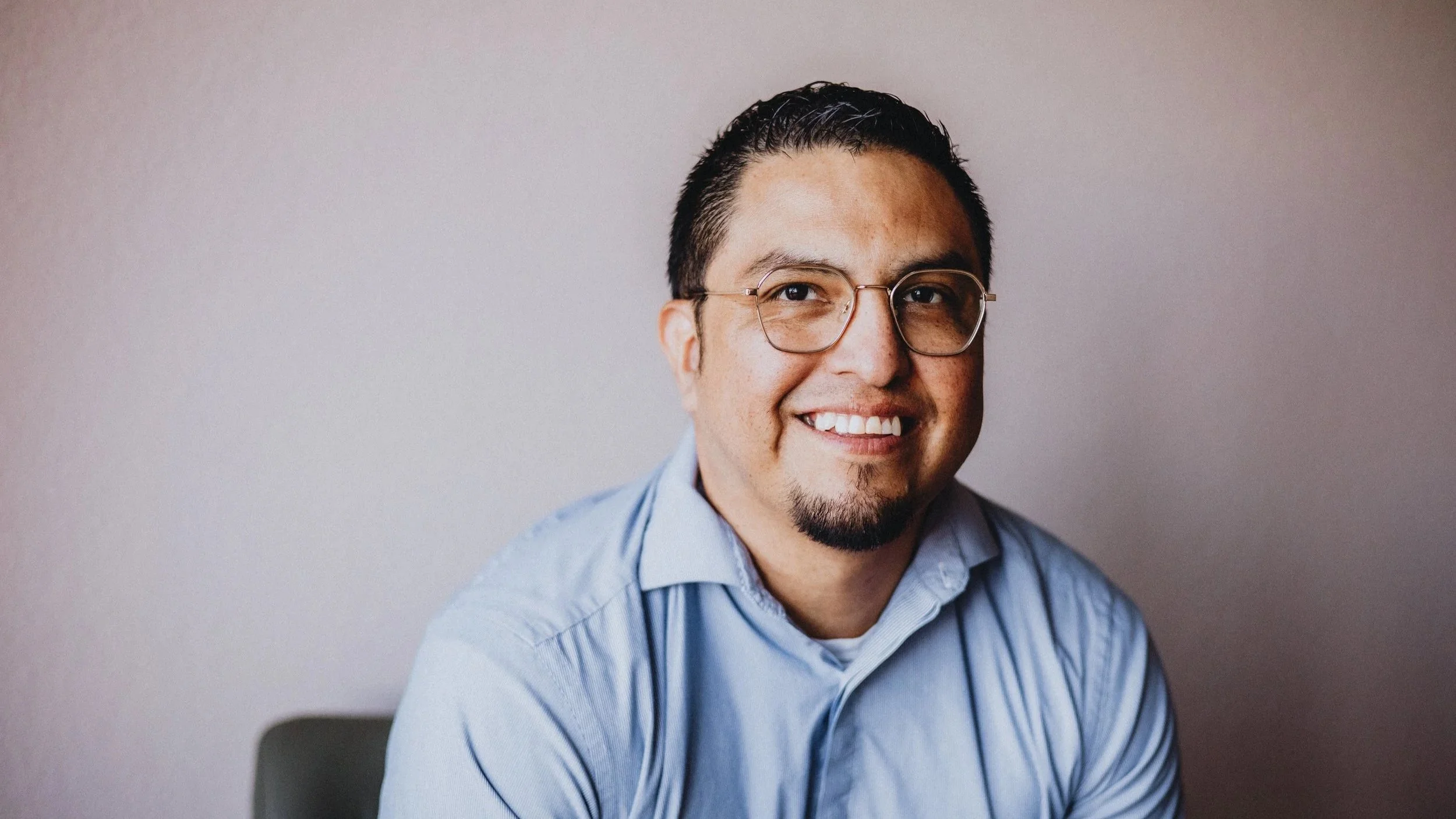
Men often grow up believing therapy is not for them. There is a long-standing stigma around men asking for help, rooted in the idea that therapy is for the “weak.” Whether we admit it or not, many men are taught to handle things on their own. Because of this, therapy can feel unnecessary, uncomfortable, or even threatening.
There are many reasons men avoid therapy, including stigma and societal expectations, lack of awareness, emotional suppression, negative past experiences, cultural norms around masculinity, uncertainty about the process, reluctance to disclose personal information, and the belief that therapy will not actually help. As a man who has gone to therapy, and continues to go, I understand these barriers firsthand. Opening up to a stranger is intimidating, especially when we are conditioned not to show emotions, or at least not the ones that might be seen as “weak.”
Therapy IS scary at first. It can feel intimidating, uncomfortable, and even emasculating. Over time, however, I learned to set aside my assumptions and see therapy for what it actually is: a tool. One that helps me show up as a better partner, family member, colleague, and even a better pet owner.
My understanding of therapy has evolved over the years. Like many people, my early exposure came from television portrayals. Lucy charging five cents for “Psychiatric Help” in Charlie Brown always stuck with me. Eventually, that curiosity turned into personal experience, and later into earning my master’s degree in Clinical Mental Health Counseling. Along the way, I learned a great deal about myself through my own therapy journey and my recovery.
I did not start therapy until adulthood. I remember thinking, “I have made it this far without it, so why start now?” What I did not realize was that therapy often brings to light things we have buried for years. Sometimes life simply becomes heavy, and we need help navigating it. I was unaware of how beneficial therapy could be.
In sessions, I have been applauded and challenged. I have laughed, cried, and felt angry, sometimes at my therapist for pointing out simple truths I was not ready to face. Through it all, I experienced real growth. Therapy gave me a space where I could process honestly and walk away stronger.
Before joining Soul Space, I worked in community mental health and facilitated Domestic Violence groups for men who were perpetrators of Intimate Partner Violence. The work was challenging and deeply rewarding. These groups required men to take accountability for their actions, specifically the behaviors that led to their domestic violence incidents.
One activity I often used was called The Man Box. I asked the men to imagine a box and describe the messages boys and men receive about how a “real man” should be; these were statements that would go inside the box. Common answers included being tough, staying in control, not crying, being the provider, and handling problems alone. I then asked a second question: What healthy traits are men not “allowed” to show? Those answers, such as asking for help, emotional expression, respectful communication, and vulnerability, were placed outside the box.
The challenge was for each man to identify what he wanted to work on and where he still felt stuck. These conversations were tough but meaningful. Many men traced their current behaviors back to early childhood lessons that slowly snowballed into unhealthy patterns. For the first time, they were learning to identify those patterns and take responsibility for changing them.
There was resistance, defensiveness, and frustration, which was expected. However, something powerful happened when group members began holding each other accountable. Men started opening up, sharing honestly, and listening in ways they had not before.
What stood out to me most was this: these were men who had committed serious harm and were court-ordered to attend. Yet once trust was built, many chose to engage. They became vulnerable. Some even cried. They began creating real plans to make healthier changes in their lives.
I understand why men resist therapy. Being vulnerable around other men is difficult. Fear of judgment, fear of appearing weak, and fear of facing things long buried can sit quietly in the background and influence our choices. With the right therapist, therapy becomes a space to explore those fears without judgment.
Growth does not come from comfort. It comes from working through discomfort with support. A good therapist does not walk ahead of you or behind you. They walk with you as you process new emotions, challenge old beliefs, and build healthier ways of being.
If you are curious about therapy or have unanswered questions, I invite you to schedule a consult with me or learn more here. There is no judgment, just a conversation. You do not have to have it all figured out, and you do not have to do it alone.